

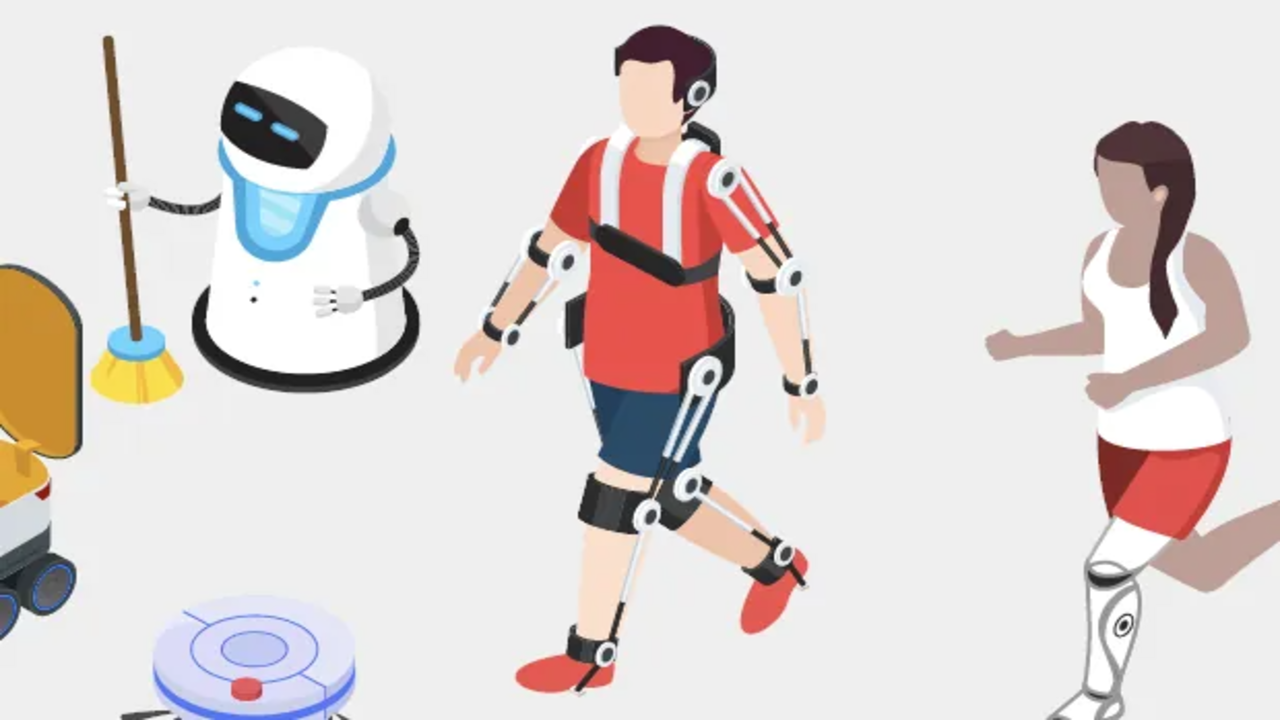
What does it mean to live well across a long life? The Stanford Center on Longevity Design Challenge invites student designers from around the world to create impactful, practical, human-centered solutions to the real challenges people face across long lives. For its fourteenth year, the design theme, “Human-Centered Robotics for Longevity,” explores how robotics can support longer lives while strengthening, rather than replacing, the relationships and communities that make those lives worth living.
LONGEVITY DESIGN CHALLENGE GOALS:
- Create well-designed, practical solutions that improve well-being across the lifespan
- Encourage a new generation of students to become knowledgeable about issues associated with long lives
- Provide promising designers with a path to drive change in the world
ABOUT THE 2026-27 DESIGN CHALLENGE THEME:
“Human-Centered Robotics for Longevity”
People are living longer than ever before, and throughout these longer lives they encounter periods of transition, changing abilities, new responsibilities, and evolving needs. Challenges such as mobility limitations, chronic health conditions, caregiving strain, social isolation, cognitive changes, physical safety concerns, and financial constraints can appear at any age, yet many remain underserved by existing tools and systems. Robotic solutions have the potential to help individuals, families, and communities navigate these moments, and at the same time, raise questions about replacement, depersonalization, and widening social gaps. This Design Challenge invites students to reimagine what robotics for long lives could be when designed with humanity at the center.
This year’s Longevity Design Challenge will explore how simple, affordable, and socially supportive robotics solutions can help people thrive at every stage of life. Teams will be asked to design robotic tools, ranging from low-cost mechanical devices to interactive smart systems, that address life-course challenges in one of four categories, while preserving or enhancing human relationships. The goal is not to remove people from care, connection, or community, but to empower individuals and families by reducing burdens, improving safety, expanding independence, and creating new opportunities for engagement.
Longevity-related categories to explore:
- Mobility and Physical Safety: robotics that support movement, confidence, and community participation across changing physical abilities, from helping someone navigate an unfamiliar environment independently to supporting return to physical activity after injury or illness at any age.
- Caregiving and Daily Living: robotics that reduce the physical and cognitive burden of caregiving across the lifespan, such as for a new parent, a partner managing a chronic condition, or an adult child caring for an aging relative, in ways that strengthen rather than replace human presence.
- Social Connection and Cognitive Health: robotics that create new opportunities for meaningful interaction, intergenerational connection, and cognitive engagement, especially for people whose social worlds have contracted due to mobility, geography, or cognitive change.
- Sustainable Cities and Aging Infrastructure: robotics that help people participate actively in their communities as poorly designed urban environments, physical limitations, or driving cessation constrain their independence.
Students are encouraged to think creatively and practically – high-tech and low-tech are equally welcome. The challenge is not to design the most advanced robot, but the most impactful, especially for individuals and families with limited financial resources or access to emerging technologies.
This theme asks competitors to imagine a future where robotics and human connection grow together: where technology supports dignity, autonomy, and belonging; where families and communities are strengthened rather than replaced; and where simple robotic innovations can help people of all ages experience long life as a shared, connected journey.
Awards:- Top winners receive cash prizes of $10,000 (1st place), $5,000 (2nd place), $2,000 (3rd place). Finalists receive a $1,000 cash prize and mentorship from industry experts and researchers.
Deadline:- 01-12-2026